VetCare by DocTel
Online vet consultations in Australia, when you need answers
It’s hard to know what to do when your pet seems unwell. Talk it through with a vet from home and get advice on what you can do today and whether your dog or cat needs a clinic visit.
Book an online vet consultationFor non-emergency concerns. Does your pet need urgent care?

Does your pet need an emergency vet?
Go to your nearest emergency vet if your pet is struggling to breathe, has collapsed, is having a seizure, may have eaten something poisonous or is bleeding heavily. A cat straining to urinate without passing urine also needs urgent care.
Call the clinic on the way if you can do so safely. If you’re unsure whether it can wait, call an emergency clinic for advice before making an online booking.
For general animal welfare advice, see the RSPCA Australia Knowledgebase. This resource is not a substitute for emergency veterinary care.
When online care helps
Start with what’s changed
You know what’s normal for your pet. A vet can help you work out which changes matter, what can reasonably be assessed from home and when an examination would give you a clearer answer.
- Itching, skin and ears
- Tell the vet where your dog or cat is scratching or licking, when it started and whether it has happened before. Photos can show changes on the skin. A vet may still need to examine the ear or take a sample at a clinic.
- Vomiting, diarrhoea or appetite changes
- Have a timeline ready, including what your pet has eaten, how often they’ve been sick and whether they are drinking and behaving normally. If they seem seriously unwell or you suspect poisoning or a swallowed object, call a clinic promptly.
- Changes in movement or behaviour
- Describe what you see when your pet gets up, walks or goes to the toilet. A short video of their usual movement can be helpful if you already have one. Don’t make a sore pet move for the camera.
- Follow-up and ongoing care
- Bring the previous vet’s instructions and the names of any medicines. You can discuss what has improved, what has stayed the same and whether it’s time for a recheck.
You know your pet best
It’s the little changes that worry you most.
The meal they leave untouched. The walk they don’t want to take. The way they look at you when something feels different.
You don’t need to arrive with a diagnosis. Tell the vet what you’ve noticed, and get help working out which changes need attention.
Talk to a vet about your pet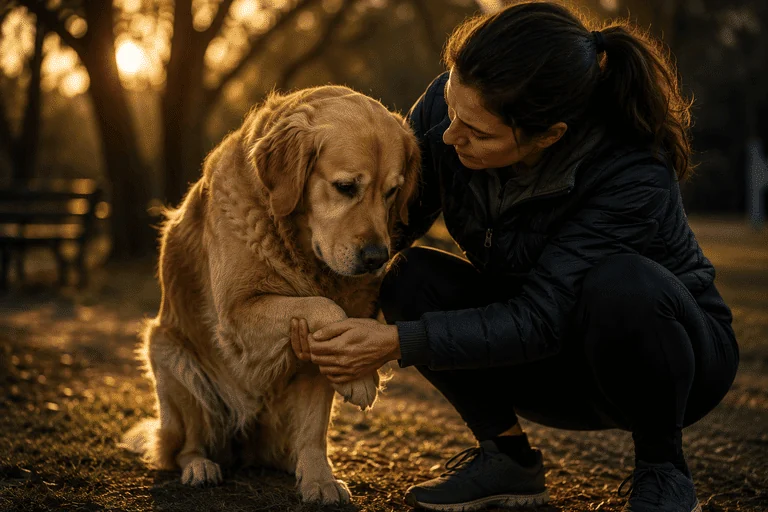
What you get from the consultation
Get a vet’s advice while your pet is at home
Whether it’s a new concern or something you’ve been managing for a while, you can talk through what you’ve noticed and ask what would help your pet now.
- Find out what you can do today
- The vet can suggest practical steps suited to your pet and explain which signs to monitor. If your dog’s itching has been coming and going, for example, you can discuss what to record and when to have their skin or ears checked.
- Show what happens at home
- A short clip of your pet walking, or a photo of a change you’ve noticed, can give the vet useful context alongside the history you share. This can be especially helpful when a symptom comes and goes.
- Make a more informed decision about a clinic visit
- Ask how soon your pet should be seen and what an examination or test could clarify. For a suitable concern, the vet may recommend monitoring at home or arranging a routine check. If they recommend a visit sooner, you’ll know why and what to tell the clinic.
- Get more out of follow-up care
- Discuss what’s improved since the last visit, what still concerns you and whether a recheck is due. If your pet is already receiving treatment, have the existing instructions handy so the vet can advise on next steps in context.

Because they’re family
They can’t tell you what’s wrong.
But you know when something isn’t right.
When you’re worried, you deserve more than another search result. Talk through your concerns with a veterinarian.
Speak with an online vetAccess and cost
Get advice before committing to further costs
VetCare is designed to make veterinary advice easier to access and help owners avoid costs their pet may not need. For a suitable concern, speaking to a vet from home can help you decide whether a clinic visit is needed, how soon to arrange it and what an examination or test would help establish.
You pay VetCare for the online consultation. If your pet needs an examination, tests, treatment or a hospital stay at another clinic, that care is arranged and billed separately. The online consultation gives you a chance to ask which steps are recommended for your pet now and which can wait.
At a clinic, an estimate may include several tests or treatments because the team can examine your pet and provide care on site. Ask what each item would help establish or treat, which steps are urgent and whether care can be staged. If the vet recommends urgent treatment, seek it straight away. For a suitable concern, advice from home may save a trip. If an in-person visit is needed, the online consultation is a separate cost.
How an online vet consultation works
An online vet consultation in Australia gives pet owners a convenient way to discuss non-emergency concerns and understand when an in-person examination may be necessary.
Choose an appointment
Open the booking page to see the consultation options, available times and price. Choose the option that fits your concern and follow the booking instructions.
Talk to the vet
Follow the joining instructions in your booking confirmation. Have your pet nearby if it is safe and comfortable. Describe what has changed, when it began and what you have already tried.
Agree on the next step
Before you finish, ask what to watch for, when to check in again and which changes mean you should call a clinic sooner. If an examination is needed, ask how urgently to arrange it.
Make the most of your appointment
A few notes are enough to get started
If your dog is licking one paw more than usual, note when you first saw it, whether they’re walking normally and whether the licking follows a walk or happens at rest. If your cat has stopped jumping onto a favourite chair, describe what they do instead and whether anything else has changed. These observations give the vet a clearer picture of daily life at home.
Keep a list of medicines, supplements and recent treatments, including the dose if you know it. If another clinic has examined your pet for this concern, have any notes or test results handy. Tell the vet what you’re most worried about, even if it feels like a small detail.
At the end, it can help to write down the next step, when to take it and who to call if things change. If you have trouble getting to a clinic or keeping your pet comfortable while travelling, say so during the consultation so the vet understands what is practical for you.
Consultation cost
See the price before you pay
The booking page shows the current price for the consultation you choose and the total before payment. Use that total when comparing options. An in-person examination, tests, medicines and treatment provided by another clinic are separate costs.
If you’re checking on a problem already discussed with a vet, see whether the booking page offers a follow-up. For a new concern or symptoms that have changed, describe what’s happening when you book so the vet has the right context.
Check appointments and consultation pricesClarity can change everything
Not every worry needs an emergency visit. Every worry deserves to be heard.
For suitable non-emergency concerns, a consultation can help you understand whether to monitor, book a routine appointment or seek hands-on care sooner.
Before you book
Questions about seeing a vet online
Can I use VetCare if I live outside a major city?
VetCare offers online consultations for dogs and cats in Australia. Check the booking page for appointments. If you live far from a clinic, tell the vet what services you can reasonably reach so you can discuss a practical next step.
Can an online vet diagnose my dog or cat?
Sometimes the history and what the vet can observe are enough to give useful advice. A physical examination or tests may be needed to confirm the cause. Ask the vet what they can assess remotely and what remains uncertain.
Can I get a prescription online?
Prescribing depends on the vet’s assessment, whether they have sufficient knowledge of your pet and the professional rules that apply. The vet may need records or an examination before prescribing. If your pet is running low on regular medicine, contact the prescribing clinic about a repeat.
What should I have ready?
Note your pet’s age, when the signs began, how they’ve changed and any current medicines or recent treatment. Bring recent vet notes if you have them. A clear photo or short video can help show an intermittent symptom.
Will an online consultation replace a visit to my regular vet?
For some concerns, advice or a follow-up discussion may be enough. A clinic is still needed when your pet requires a physical examination, tests or hands-on treatment. Tell the online vet if your regular clinic is already managing the problem.
What if my pet gets worse while I’m waiting?
Call a veterinary clinic for advice if your pet deteriorates before the appointment. If there are signs that need emergency care, go to an emergency vet straight away.
Talk through what you’ve noticed
Share what’s changed and ask the questions on your mind. The vet can help you decide what your pet needs next.
See appointments and prices